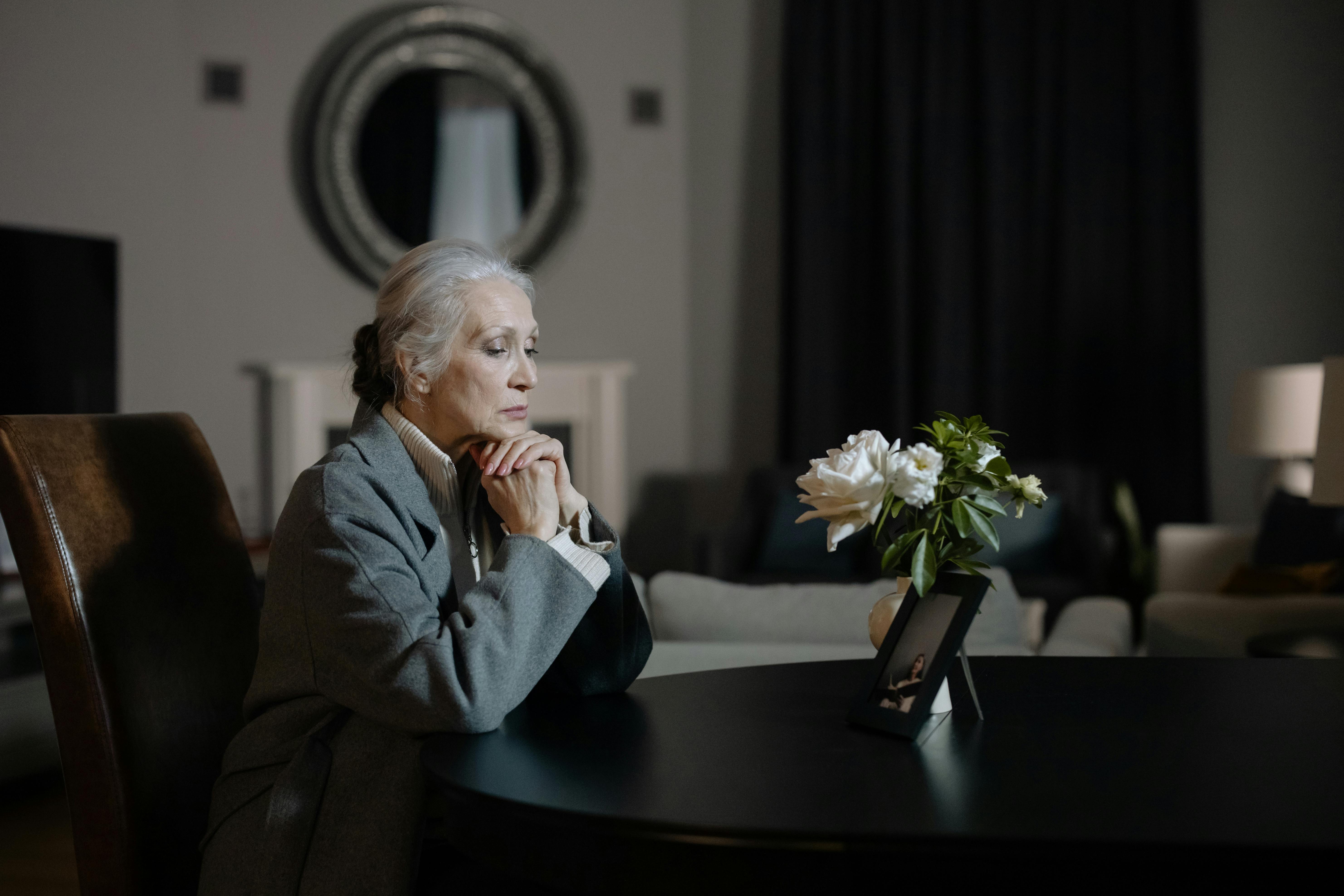
The Hidden Emotional Toll of Caregiving, and How to Cope
Behind Every Care Plan Is a Caregiver Who’s Often Running on Empty
Caring for an aging loved one is one of the most profound expressions of love, but it can also be one of the most emotionally taxing roles a person can take on. As caregivers, we give our time, energy, and hearts. But in the process, it’s easy to lose sight of something equally important:
Ourselves.
While others see your strength, we see the tears you hide, the worry that keeps you up at night, and the aching guilt that whispers you should be doing more—even when you’re already doing everything you can.
Why the Emotional Weight of Caregiving Is Often Overlooked
The truth is, most caregivers never planned for this role. It often begins with a few doctor’s appointments, then helping with errands, and before long, it becomes full-time emotional and physical labor. And because caregiving is wrapped in love and duty, many dismiss their own pain.
But emotional strain is real. And if left unaddressed, it can lead to caregiver burnout, depression, anxiety, and resentment—none of which make you a “bad” caregiver. They just make you human.
Signs You’re Carrying More Than You Can Handle
You may not even realize how deeply caregiving is affecting you. Here are some quiet signs:
Constant fatigue, even after resting
Irritability or mood swings you can’t explain
Feeling isolated, like no one understands what you’re going through
Loss of interest in things you once enjoyed
Physical symptoms—headaches, stomachaches, muscle pain
Overwhelming guilt when you take time for yourself
Trouble sleeping, racing thoughts, or panic attacks
If these sound familiar, you’re not failing—you’re exhausted. And it's time for compassionate support.
Why Taking Care of Yourself Isn’t Selfish—It’s Essential
It’s not just okay to care for yourself—it’s necessary. You can’t pour from an empty cup. The emotional and physical health of a caregiver directly affects the quality of care your loved one receives.
When you prioritize your mental health, you gain the strength to continue giving without breaking.
Real Strategies for Coping with the Emotional Weight of Caregiving
You don’t need a long vacation or a total life reset to feel better. Small, consistent actions can bring significant relief. Here are a few we recommend:
1. Name What You’re Feeling
It sounds simple, but giving your emotions a name—grief, guilt, anger, fear—can reduce their power. Journaling for five minutes a day or saying your thoughts aloud can help you process them more clearly.
2. Connect With Other Caregivers
You are not alone. Caregiver support groups (both in-person and virtual) provide a safe space to vent, learn, and feel seen. Even one conversation can lift the fog.
3. Set Boundaries Without Guilt
You don’t have to be everything to everyone. Saying no doesn’t make you uncaring—it protects your energy. Learn to delegate and ask for help. Let others show up for you.
4. Take Breaks, Even Tiny Ones
A 15-minute walk. A nap. A podcast. A good cry in the car. These moments aren’t indulgent—they’re lifelines. You deserve them.
5. Seek Professional Help When Needed
Speaking with a therapist, counselor, or social worker trained in caregiver challenges can change everything. Don’t wait until you’re in crisis to get help.
The Hidden Grief No One Talks About
Caregiving often brings a strange, quiet grief—the kind that shows up while your loved one is still alive. Watching someone you love fade, change, or lose independence is heartbreaking.
This “living grief” can feel confusing. There’s no funeral, but you’re mourning the person they used to be, and sometimes, the life you used to have. This grief deserves space. It deserves care. You deserve care.
Let’s Talk About the Guilt
Caregiver guilt is one of the heaviest burdens. You might feel guilty for:
Wanting a break
Feeling frustrated or resentful
Placing your loved one in a care facility
Wishing things were different
But guilt doesn’t mean you’ve done something wrong. It means you care deeply. The key is learning to hold compassion for yourself, too.
You’re doing your best. And that’s more than enough.
We Care for Caregivers, Too
At every stage of the caregiving journey, your heart is doing heavy lifting. And sometimes, you need someone to lift you.
That’s why we offer resources designed specifically for caregivers—because your mental health is just as important as your loved one’s well-being.
Whether you're looking for a support group, respite care, or one-on-one emotional support, we’re here for you. You don’t have to do this alone.
A Message to the Caregiver Reading This
“You are not invisible. Your pain is valid. Your love is extraordinary. And even on the days when you feel like you’re falling short, we see how hard you’re trying.”
There is no perfect caregiver—only people doing their best with open hearts. Let us walk beside you.
